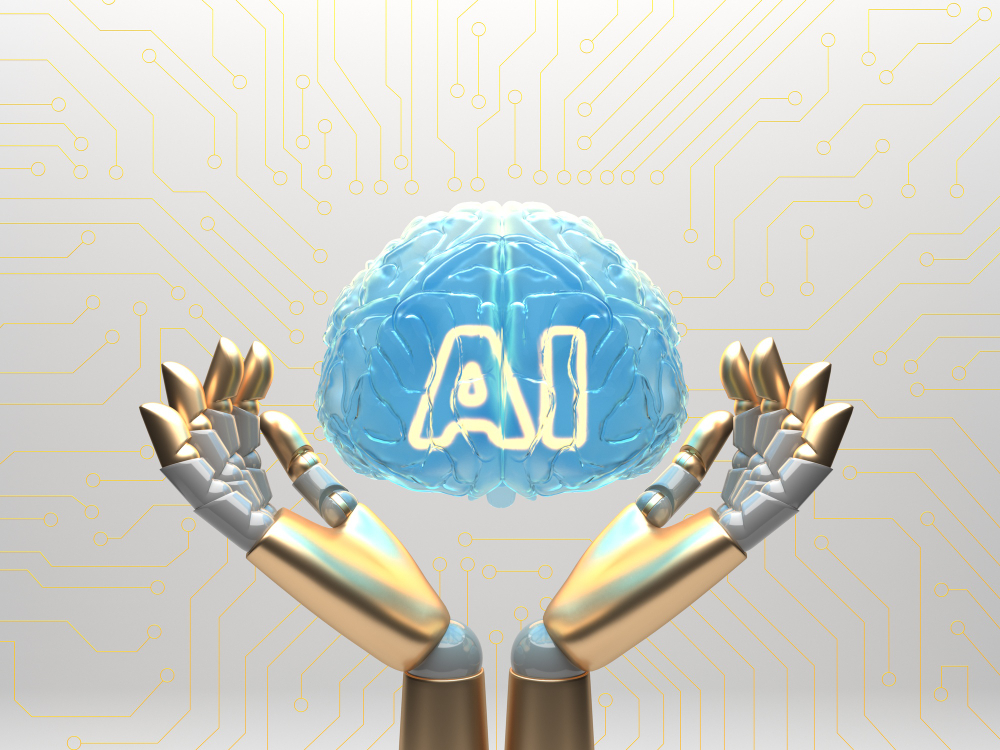
Mitigating AI Bias in Content: Best Practices for Marketers in 2026
Artificial intelligence has transformed how brands ideate, produce, and distribute content. From AI-powered copywriting tools to automated personalization engines, marketers today rely heavily on machines to scale output and improve efficiency. However, alongside speed and scalability comes a critical challenge: AI bias in content marketing.
In 2026, as AI-generated content becomes more pervasive, addressing bias in AI-generated content is no longer optional, it is essential for brand trust, inclusivity, compliance, and long-term growth. This article explores what AI bias really means, how it enters marketing workflows, and the best practices marketers must follow to effectively focus on mitigating AI bias in content.
Understanding AI Bias in Content Marketing
Artificial intelligence bias occurs when AI systems produce outputs that systematically favor or disadvantage certain groups, perspectives, or narratives. In marketing, this bias often shows up subtly—through language choices, cultural assumptions, representation gaps, or skewed targeting.
AI models learn from massive datasets created by humans. If those datasets contain historical inequalities, stereotypes, or limited viewpoints, the AI will inevitably reflect them.
As a result, AI content bias can manifest in:
Gendered or stereotypical language
Cultural insensitivity or exclusion
Overrepresentation of dominant markets or regions
Reinforcement of outdated social norms
Biased personalization or audience targeting
For brands aiming to connect authentically with diverse audiences, ignoring these risks can damage credibility and reputation.
Why AI Bias in Marketing Is a Growing Concern in 2026
In earlier years, AI-assisted content was often limited to drafts or ideation. By 2026, AI tools are deeply embedded across the entire marketing funnel—SEO, paid ads, social media, email campaigns, and even brand storytelling.
This expanded usage increases both impact and risk. A single biased output can now be scaled across hundreds of touchpoints in minutes. Moreover, global audiences are more aware, vocal, and critical of brand communication. Regulatory scrutiny around ethical AI is also intensifying worldwide.
For marketers, this means one thing: proactively addressing bias in AI-generated content is now a strategic necessity, not just a moral consideration.
Common Sources of AI Content Bias
To effectively manage bias, marketers must first understand where it originates.
1. Training Data Limitations
AI models are trained on existing internet data, books, and digital content. If this data lacks diversity or contains implicit prejudice, the AI will replicate it.
2. Prompt Design and Human Inputs
Poorly framed prompts can unintentionally guide AI toward biased assumptions. Even neutral-seeming instructions may carry cultural or contextual bias.
3. Over-Automation
When AI outputs are published with minimal human review, errors and biases go unchecked. Automation without oversight is a major contributor to AI bias in marketing.
4. Algorithmic Optimization
AI systems optimized solely for engagement or conversions may prioritize sensational or polarizing narratives, amplifying bias to achieve performance metrics.
Best Practices for Mitigating AI Bias in Content
Build Awareness Across Marketing Teams
Bias mitigation begins with education. Content strategists, SEO specialists, and social media managers must understand how AI bias works and why it matters. Training teams to recognize subtle bias in tone, framing, and representation is foundational.
Use AI as an Assistant, Not an Authority
AI should support human creativity—not replace editorial judgment. Treat AI-generated content as a starting point that requires refinement, contextualization, and ethical review.
Audit AI Outputs Regularly
Implement structured content audits to identify patterns of bias over time. Reviewing outputs across demographics, geographies, and audience segments helps uncover systemic issues in AI workflows.
Diversify Prompts and Perspectives
Vary prompts intentionally to include different cultural, social, and economic viewpoints. Prompt diversity helps counterbalance narrow data assumptions embedded in AI models.
Establish Clear Editorial Guidelines
Define brand-specific guidelines for inclusive language, representation, and tone. These guidelines should apply equally to human-written and AI-assisted content.
Maintain Human Review at Every Stage
No AI-generated content should go live without human evaluation. Editors play a critical role in correcting nuance, context, and empathy—qualities machines still struggle to master.
Align AI Usage With Brand Values
Every brand has a voice and ethical stance. AI tools must be aligned with those values through deliberate governance, not blind automation.
Also Read: AI-Driven Personalization: Case Studies on How Brands Use AI to Tailor Customer Journeys in 2026
The Role of Ethical AI in Content Marketing Strategy
Ethical AI is not about rejecting technology—it’s about using it responsibly. In 2026, leading brands integrate AI within a broader framework of transparency, accountability, and human oversight.
Marketers who actively address mitigating AI bias in content gain more than compliance. They build deeper audience trust, improve long-term engagement, and protect brand equity in an increasingly conscious digital environment.
Why Human-Led Content Still Matters
Despite remarkable advances, AI lacks lived experience, emotional intelligence, and cultural intuition. These human qualities are essential for nuanced storytelling, sensitive messaging, and authentic brand communication.
At Marko & Brando, technology is embraced—but never at the cost of integrity. Every AI-assisted draft undergoes meticulous human refinement, ensuring clarity, inclusivity, and strategic intent. This human-led approach is what distinguishes a thoughtful agency from automated content factories.
For brands, seeking the best digital marketing company in Kolkata, Marko & Brando stands apart by combining intelligent tools with deliberate human craftsmanship delivering content that is not only scalable, but also ethical, refined, and deeply resonant.
Conclusion
AI will continue to shape the future of content marketing, but responsibility must evolve alongside innovation. Addressing AI bias in content marketing requires awareness, governance, and most importantly, human judgment.
In 2026, the most successful brands will not be those who automate the fastest, but those who balance efficiency with ethics. By prioritizing transparency, diversity, and editorial oversight, marketers can ensure that AI enhances creativity without compromising trust.
At Marko & Brando, content is never left to machines alone. Every narrative is carefully curated by human experts because polished, unbiased communication is ultimately a human responsibility.
FAQs
1. What is AI bias in content marketing?
AI bias in content marketing refers to unfair, stereotypical, or skewed outputs produced by AI systems due to biased training data, prompts, or automation processes.
2. Why is mitigating AI bias in content important?
Mitigating AI bias in content is essential to maintain brand trust, inclusivity, audience relevance, and compliance with emerging ethical AI standards.
3. Can AI-generated content ever be completely unbiased?
No system can be entirely bias-free. However, consistent human oversight and ethical guidelines can significantly reduce bias in AI-generated content.
4. How can marketers reduce AI content bias effectively?
Marketers can reduce AI content bias through diverse prompts, regular audits, clear editorial standards, and mandatory human review before publishing.
5. Why choose a human-led agency for AI-assisted marketing?
Human-led agencies ensure context, empathy, and ethical nuance - qualities AI alone cannot replicate, making them more reliable for brand-critical communication.

Article by
Marko & Brando
For businesses looking for impactful digital marketing services, Marko & Brando is the name to trust. Our data-driven strategies ensure maximum ROI, helping your brand reach new heights. Experience the power of digital transformation with our expertise.


Marko & Brando’s Strategy Behind Utkarsh’s Online Growth

Marko & Brando
February 24, 2026

How to Use Twitter Trends Worldwide to Grow Your Brand
Marko & Brando
January 28, 2026

Humanized Content vs AI Content: Why Hybrid Content Marketing Wins in 2026
Marko & Brando
January 22, 2026

How to Optimize SEO for Google AI Overviews: A Complete 2026 Guide
Marko & Brando
January 16, 2026