What Is the 3-3-3 Rule in Marketing? A Complete Guide for Brands
In today’s crowded digital landscape, brands must communicate quickly, clearly, and memorably. The 3-3-3 rule marketing strategy is a powerful framework that helps businesses streamline their message, sharpen focus, and create high-impact marketing campaigns.
This guide explains the 3-3-3 rule in simple terms, demonstrates how it applies across digital channels, and includes case studies from well-known global brands. If you want to strengthen your marketing approach and create communication that truly works, this rule is a strong place to start.
What Is the 3-3-3 Rule?
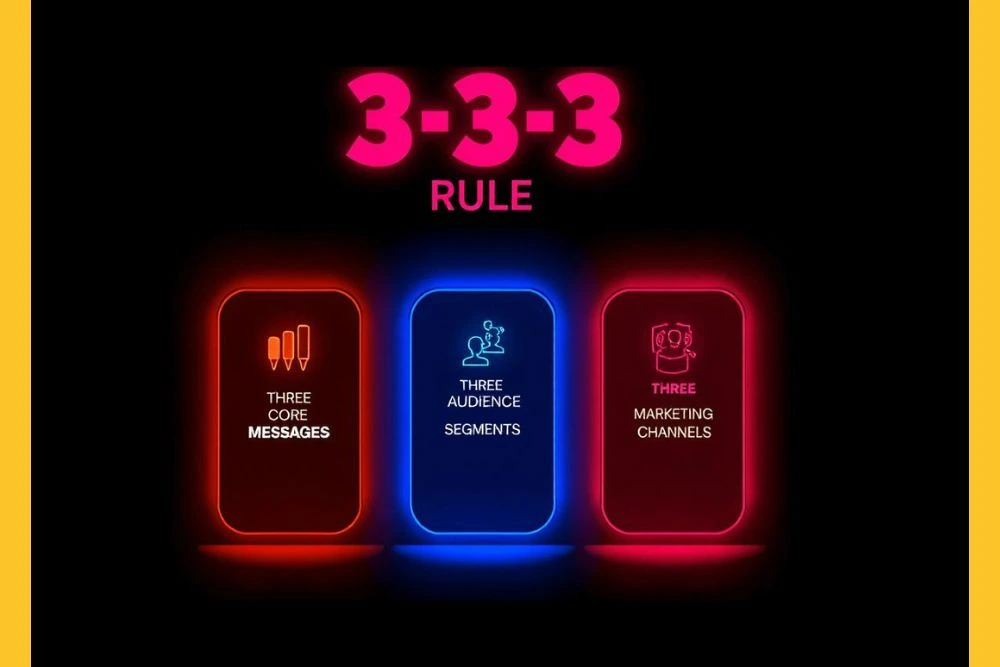
The 3-3-3 rule in marketing asks brands to focus on:
1. Three Core Messages
Your brand must identify three key ideas you want your audience to remember. These messages should reflect your value, identity, and differentiation.
2. Three Audience Segments
Not everyone is your customer. The rule encourages you to prioritise three audience groups that matter most to your business. This keeps your communication targeted and relevant.
3. Three Marketing Channels
Instead of trying to be everywhere, the rule suggests selecting three strategic channels where your audience is most active. This ensures consistency, cost-efficiency, and better performance.
Why the 3-3-3 Rule Works
The 3-3-3 rule for digital marketing works because it respects how consumers process information. People remember simplified ideas more easily and react better to focused communication. Limiting your messages, audience segments and channels reduces clutter and sharpens your marketing strategy.
Key benefits include:
Clearer communication
Stronger message recall
Efficient resource allocation
Consistent brand identity
Easier performance tracking
This makes the rule especially useful for businesses navigating competitive digital environments.
How to Use the 3-3-3 Rule for Digital Marketing?
Here is the step-by-step approach to applying this rule:
1. Identify Your Three Core Messages
These could be the top three benefits, values, brand promises, or USPs you want every customer to associate with you.
2. Define Your Three Target Audience Groups
These may include existing customers, potential buyers, business decision-makers, niche segments, or future opportunities. Prioritising three groups keeps your strategy focused.
3. Select Three Primary Marketing Channels
Choose channels where your audience engages the most. For most brands, this could be social media, website/blog, email marketing, or paid advertising.
4. Align Messages with Platforms
Map your key messages to each channel and audience segment to maintain consistency in tone and purpose.
5. Implement and Measure
Track performance, adjust the strategy when needed and stay consistent with messaging across all three selected channels.
The Psychology Behind the Rule
The 3-3-3 rule is rooted in the broader principle that people remember information better when it is structured in threes. This pattern creates clarity, memorability, and emotional resonance. Many well-known brand taglines and campaigns follow a three-part structure for this reason. The rule simplifies decision-making while keeping communication impactful.
Case Studies: How Top Brands Use the 3-3-3 Approach
Below are two real examples of how global brands successfully use simplified, focused, rule-of-three-based communication strategies.
Case Study 1: Apple - Product Launch Messaging
Apple is known for its clear and minimalistic communication style. During major product launches, Apple often focuses on three core messages or innovations, such as performance, camera improvements and design upgrades.
Apple also uses a limited number of channels for announcements, typically its official website, YouTube presentations and email newsletters. This creates a consistent and highly focused communication loop.
Why it works:
Apple’s three-pillar messaging makes new product features immediately understandable, leading to high engagement, strong recall and a seamless customer experience.
Case Study 2: Nike - Brand Values and Campaigns
Nike’s brand communication strongly reflects the rule-of-three style. While not explicitly stating the 3-3-3 rule, Nike’s message consistently revolves around three key themes: performance, inspiration and empowerment.
Their campaigns focus on specific audience groups such as athletes, fitness enthusiasts and young aspirational consumers. Nike strategically uses a few primary platforms, such as social media, video storytelling and major sports collaborations.
Why it works:
The focused messaging and clear audience positioning help Nike create emotionally powerful stories that build deep loyalty and global recognition.
Why Brands Prefer the 3-3-3 Rule
It ensures clarity in communication
It helps brands avoid message overload
It simplifies targeting and channel selection
It makes marketing more efficient
It strengthens customer understanding and brand recall
The rule creates alignment between message, audience and delivery - the backbone of successful marketing.
How a Digital Marketing Company in Kolkata Like Marko & Brando Uses the 3-3-3 Rule
Marko & Brando applies the 3-3-3 rule to help brands build clear, memorable and growth-driven marketing strategies.
Our approach includes:
Defining the three core messages that strengthen your positioning
Identifying the three audience segments most valuable to your brand
Choosing and managing the most impactful digital channels
Creating consistent content aligned with your messaging framework
Tracking results and optimising continuously
This ensures your marketing is not scattered but powerful, structured and effective.
Conclusion
The 3-3-3 rule marketing strategy is one of the most practical, effective and psychologically smart approaches modern brands can adopt. It sharpens focus, enhances clarity and reduces wasted effort by bringing structure to your communication.
If you want to master the 3-3-3 rule in marketing and build a brand that stands out with clear, compelling messaging, the right partner makes all the difference.
Marko & Brando, a leading Digital Marketing Company in Kolkata, helps businesses implement smart, simplified and high-impact marketing strategies. From messaging frameworks to digital execution, we ensure your brand communicates with purpose and performs with power.
For businesses looking to grow with clarity and confidence, Marko & Brando is the partner you can trust.
FAQs
1. How does the 3-3-3 rule work in marketing?
The 3-3-3 rule works by helping brands focus on three core messages, three key audience segments and three primary marketing channels. This structure keeps campaigns clear, targeted and easy for customers to understand.
2. What are the benefits of using the 3-3-3 rule in digital marketing?
Using the 3-3-3 rule improves message clarity, strengthens brand recall, streamlines targeting and ensures consistent communication. It also helps marketers avoid spreading resources across too many platforms.
3. Is the 3-3-3 rule effective for small businesses and startups?
Yes. The 3-3-3 rule is ideal for small businesses and startups because it reduces complexity, focuses marketing efforts on what matters most and prevents budget waste by concentrating on the most impactful channels.
4. How can Marko & Brando implement the 3-3-3 rule for my brand?
Marko & Brando applies the 3-3-3 framework by defining your core brand messages, analysing your most valuable audience groups, and selecting the best-performing channels to deliver consistent, high-impact digital marketing results.

Article by
Marko & Brando
For businesses looking for impactful digital marketing services, Marko & Brando is the name to trust. Our data-driven strategies ensure maximum ROI, helping your brand reach new heights. Experience the power of digital transformation with our expertise.

What Makes Voice Commerce Different from Traditional E-commerce?

Marko & Brando
March 29, 2026

The Future of Digital Marketing: AI, SEO, Consumer Psychology & Emerging Trends (2026 Guide)
Marko & Brando
March 24, 2026

Predictive Reputation Management: Detecting Online Brand Crises Before They Spread
Marko & Brando
March 15, 2026

Designing Content Structures That Support Search Experience
Marko & Brando
March 10, 2026